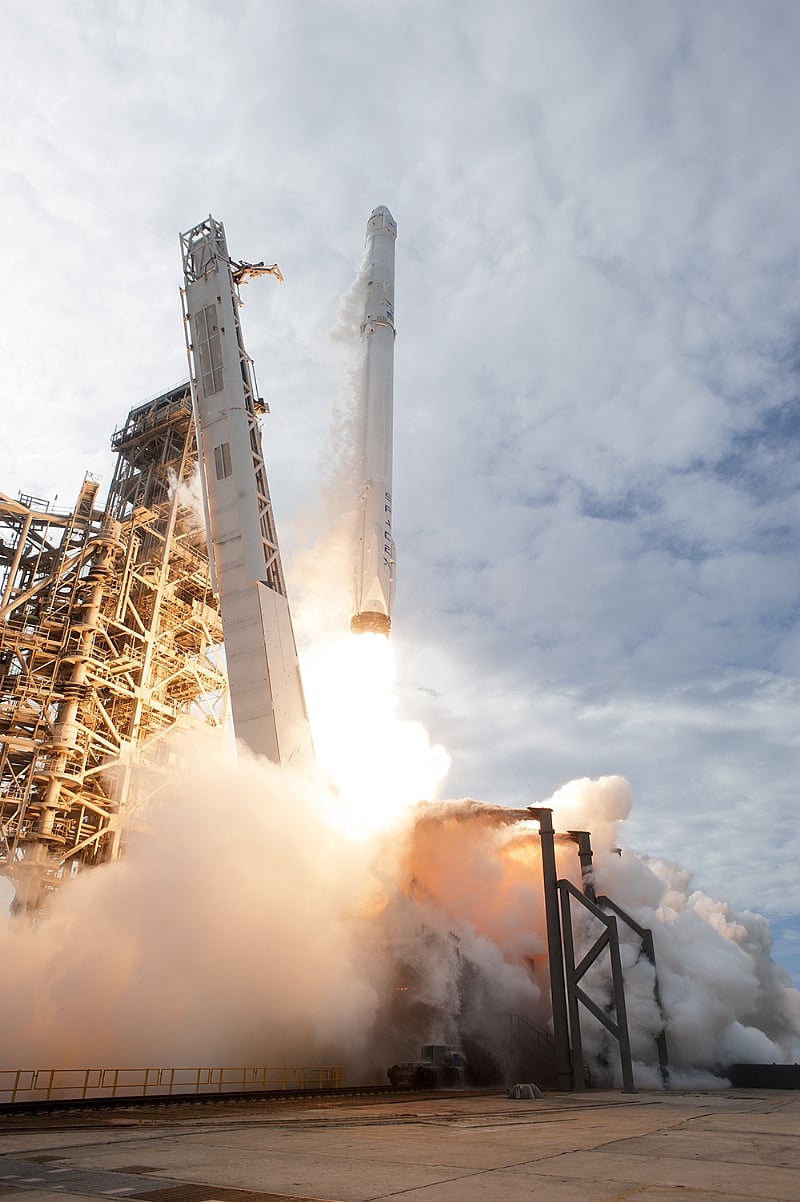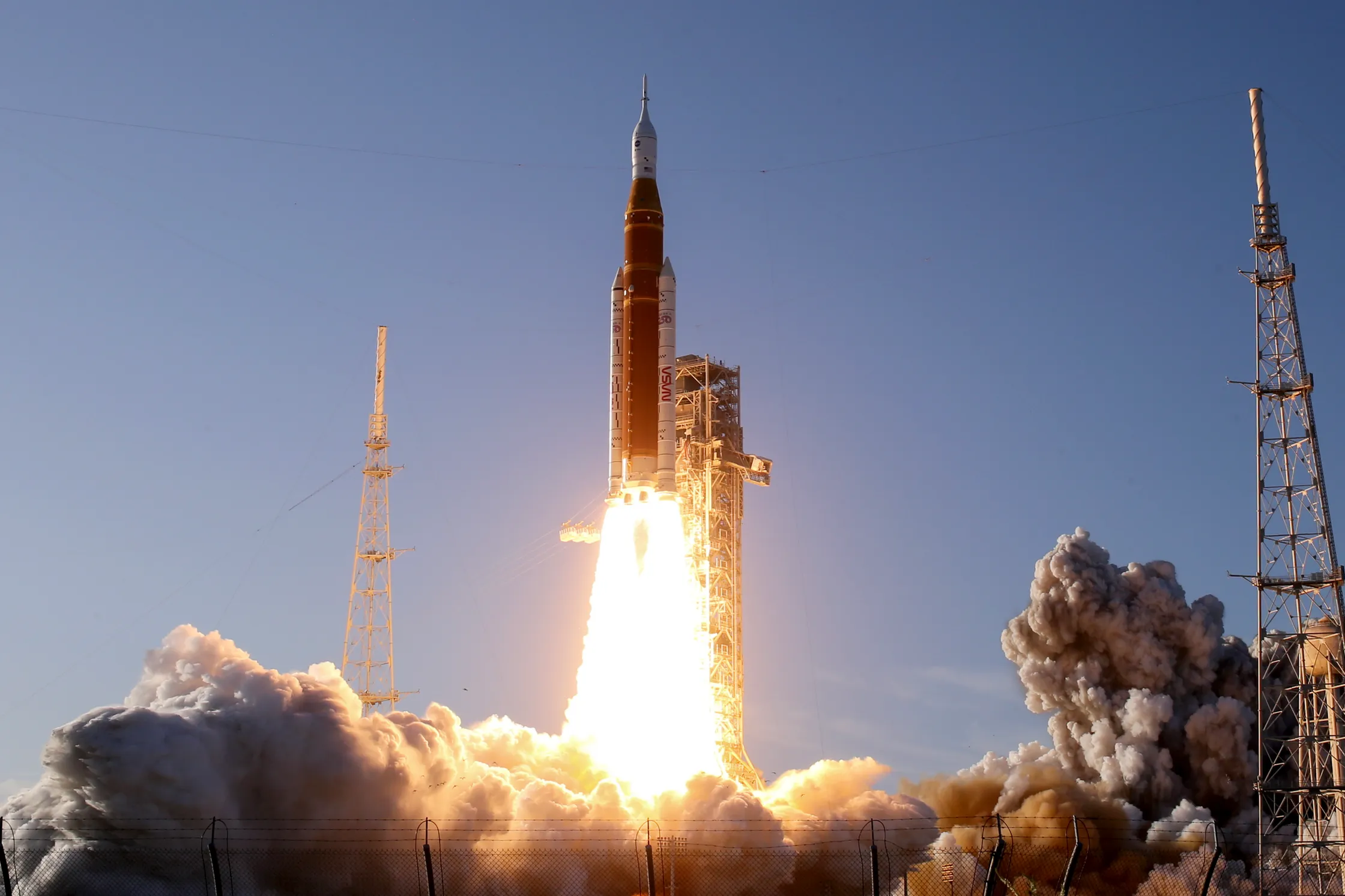
In April this year, the world watched as four astronauts travelled around the Moon and returned safely to Earth. This is the first crewed journey to the Moon in more than fifty years. It was a remarkable moment in human history. Space exploration is one of humanity’s greatest achievements: it inspires us to aim higher and demonstrates how intelligence, teamwork, science, and technology can come together to advance humankind.
Construction of the International Space Station (ISS) began in 1998 with the launch of its first module, Zarya. The station was built through a partnership among several countries and space agencies, including the National Aeronautics and Space Administration (NASA) of the United States, Roscosmos of Russia, the European Space Agency, the Japan Aerospace Exploration Agency, and the Canadian Space Agency.
The ISS serves as an orbiting laboratory where astronauts from different countries live and work together, conducting scientific research in a microgravity environment. Scientists use the station to study how humans, plants, materials, and technologies behave in space. Their research helps improve life on Earth and prepares humanity for future missions to the Moon, Mars, and beyond.
Put simply, the ISS is a giant science laboratory orbiting Earth, where nations cooperate to deepen our understanding of space and shape our future within it.
The International Space Station is expected to remain operational until 2030, with its controlled deorbit currently planned for 2031. At the end of its service, the station will be deliberately guided out of orbit and towards a remote area of the South Pacific Ocean, sometimes called the “spacecraft cemetery.” Most of the station will burn up as it re-enters Earth’s atmosphere, while any surviving debris will fall into the ocean, far from populated areas. This will bring more than three decades of scientific research, international cooperation, and continuous human presence aboard the ISS to an end.
What follows could be a new era of space stations. Instead of relying on a single government-led station, space agencies are preparing to purchase services from commercially owned and operated stations. Several private companies are developing such platforms with support from NASA, including Starlab, Orbital Reef, and Axiom Station.
Africa can begin planning now to participate in this emerging space economy. The next five years offer a valuable window in which African governments, space agencies, universities, research institutions, and businesses can build meaningful partnerships with the companies developing these stations. Such cooperation could create opportunities for African scientists, engineers, researchers, and astronauts to contribute to the next generation of space stations and to humanity’s wider exploration of space.
The question before us is, how can Africa seize this opportunity?
African nations could come together to form a consortium; perhaps called the African Space Alliance. Alternatively, they could work through the recently established African Space Agency to advance this vision. Governments and private technology companies across the continent, including telecommunications companies, could contribute to a common fund supporting the research, development, and partnerships needed for Africa to participate in future commercial space stations.
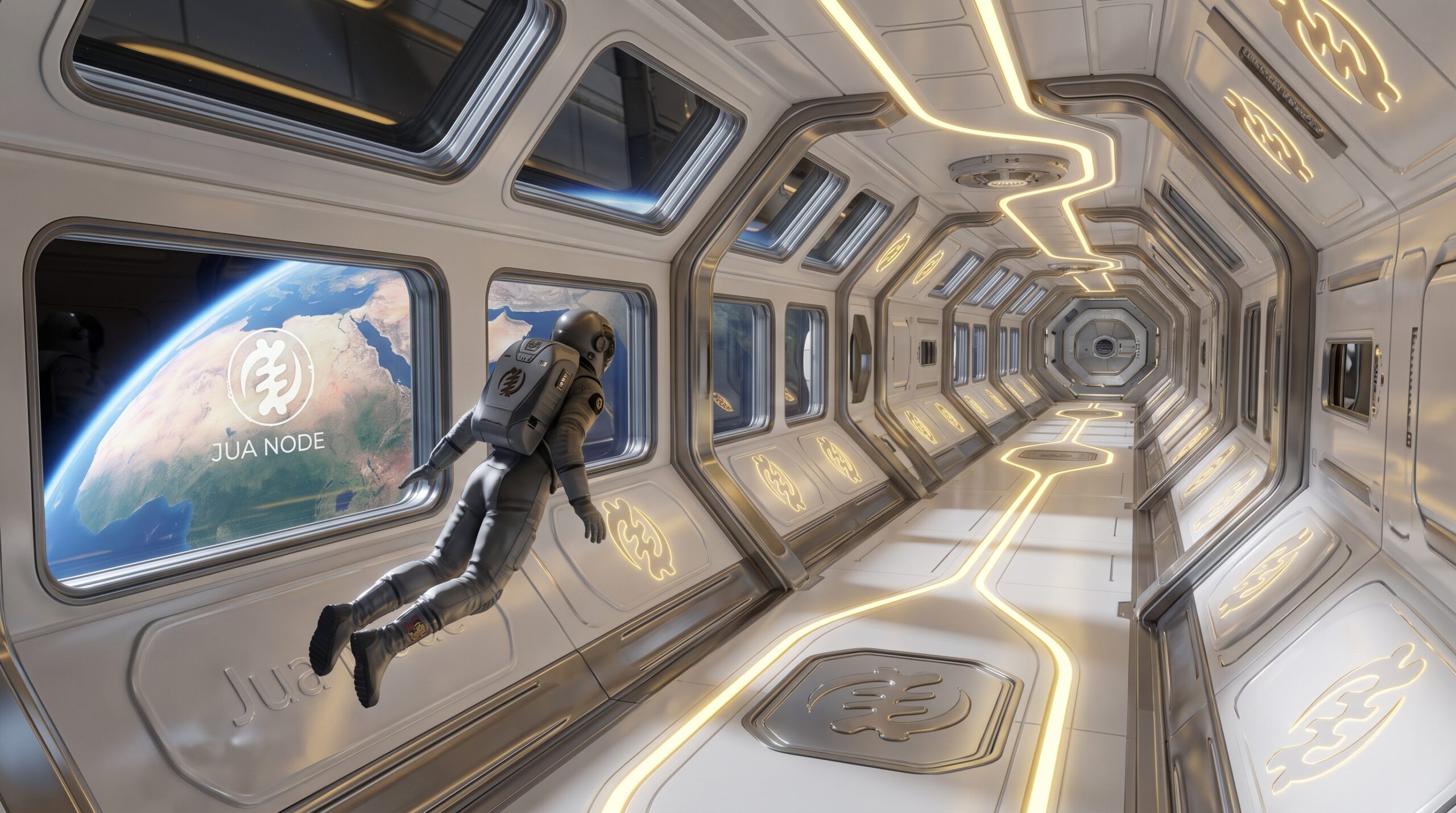
Through this collaboration, Africa could develop its own laboratory as part of one of these stations. I propose that it be called the Gye Nyame Space Station.
Gye Nyame is an Akan phrase and Adinkra symbol from Ghana, commonly translated as “Except God” or “Only God.” It expresses the idea that God is greater than all things and that human possibility exists within a higher purpose. Gye Nyame represents the belief that Africa’s young people can dream beyond limitations, explore new frontiers, and shape the future while recognizing God as the ultimate source of wisdom, creativity, and possibility.
There are several compelling reasons why Africa’s presence aboard the next generation of space stations would be important. One is the continent’s extraordinary biological and geological diversity. Africa is home to indigenous plants, distinctive natural materials, and valuable mineral resources that could support original scientific research in microgravity ( Microgravity is the near-weightless environment of space where people and objects can float freely ). A dedicated African laboratory within the space station would enable our scientists to lead this research, pursue questions relevant to the continent, and ensure that Africa contributes to, and benefits from the next era of space exploration.
We could send some of Africa’s most important crops into space for scientific study. Sorghum, cowpea, and amaranth, for example, are nutritious and climate-resilient crops grown across many parts of the continent, including the Sahel and the Horn of Africa. In space, these plants could be cultivated under specially designed LED lighting in a microgravity environment.
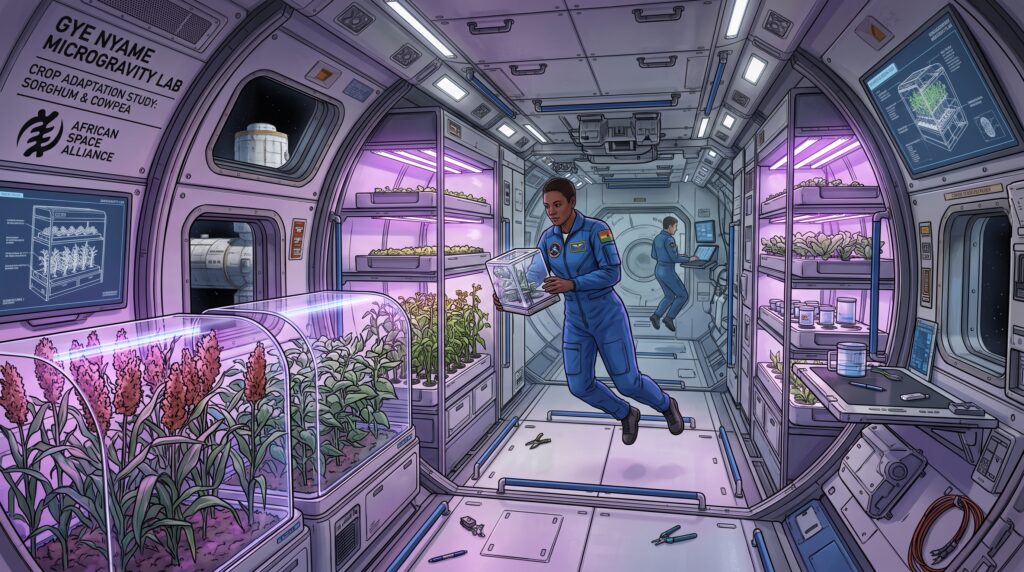
This would be much more than a simple space garden. On Earth, gravity helps plants determine how to grow; roots generally grow downward, while shoots grow upward. In microgravity, these familiar signals are greatly reduced. By studying how African crops respond to this environment, scientists could gain a deeper understanding of the genes and biological processes that help plants adapt to stress. Because these crops are already relatively resilient to drought and harsh conditions, such research could contribute to the development of even harder varieties; crops better able to withstand the prolonged droughts and extreme heat that climate change is bringing to many parts of Africa.
In Part 2, I will explore the scientific research that could be conducted in the Gye Nyame Space Station and introduce the Africa Observation Port, where astronauts could enjoy spectacular views of Africa as the station passes over the continent. I will also present our simulation of the Gye Nyame segment aboard a future commercial space station.
Click this link to explore this 3D interactive orbital simulation of the Gye Nyame Space Station. It is our proposed African research segment aboard a future commercial space station. This lets you orbit the station, zoom in, click modules, and go inside the Gye Nyame Segment to explore the research stations.