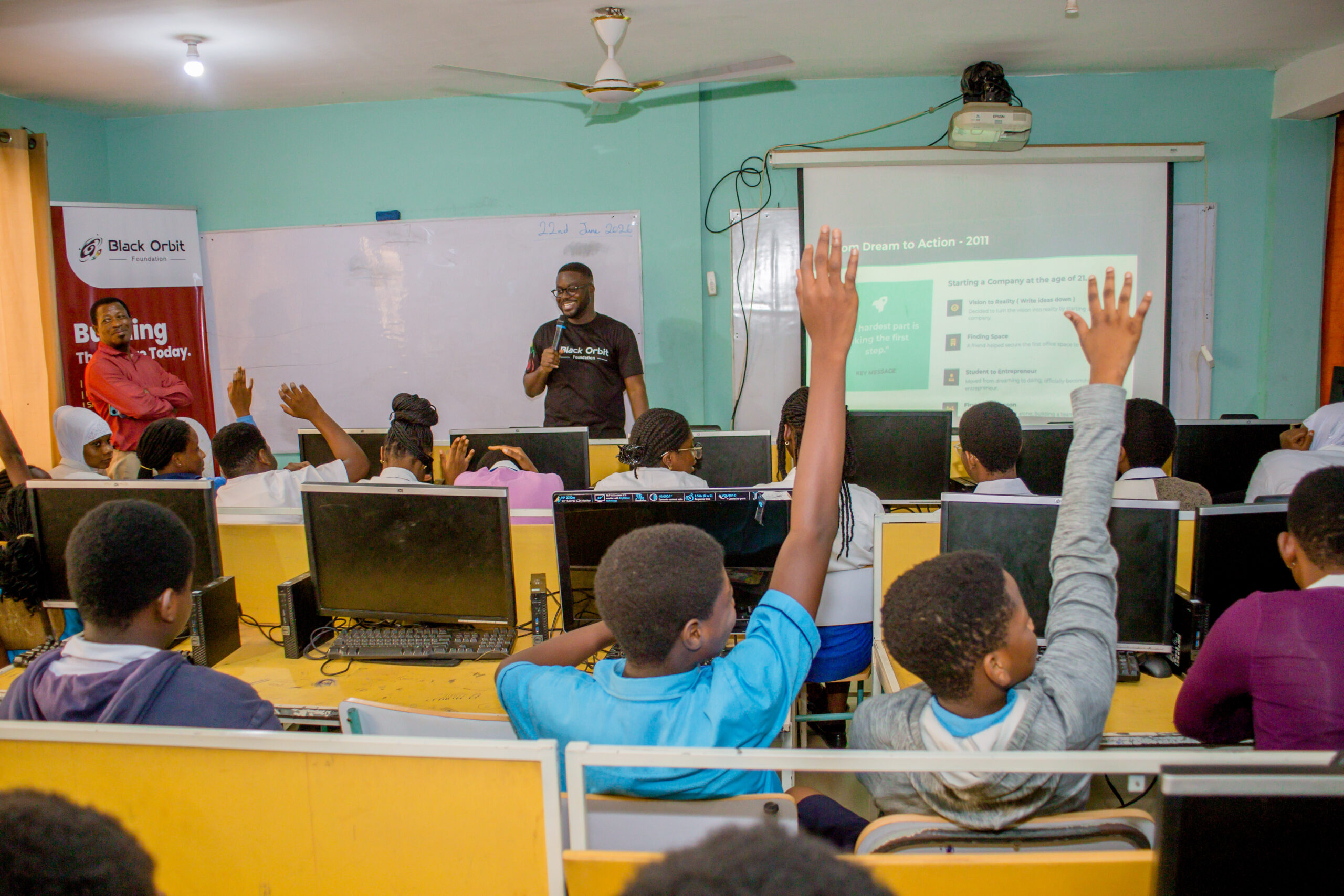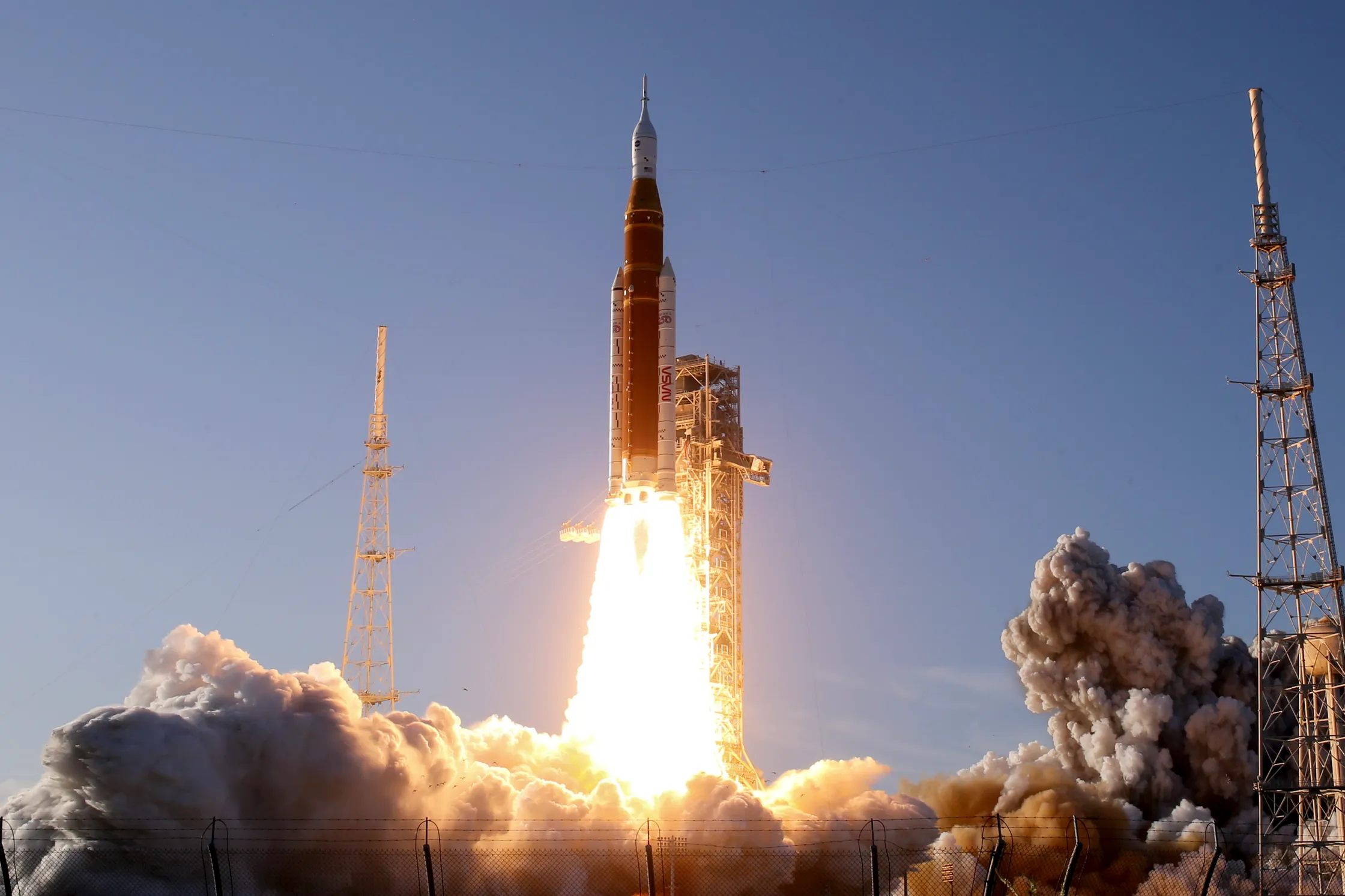
I spent the first three months of 2026 raising awareness about the Artemis II mission (click this link to see the video and our youtube page). Humanity had not returned to the Moon in over 50 years, and after several delays, Artemis II launched in April 2026 as a crewed lunar flyby mission, successfully carrying astronauts to the far side of the Moon and back.
They became the first humans in more than five decades to venture beyond low Earth orbit since the Apollo era ended in 1972. The mission was the first crewed flight of NASA’s new deep-space transportation system, consisting of the Space Launch System (SLS) rocket and the Orion spacecraft.
Artemis II validated critical systems such as life support, navigation, communications, and high-speed re-entry procedures, demonstrating that these technologies are ready for future lunar missions. The mission was more than a lunar flyby. It was a stepping stone toward establishing a sustained human presence on the Moon and, eventually, sending astronauts to Mars. Scientists also conducted investigations into the effects of radiation and microgravity on human health, generating data that will help make future long-duration missions safer.
This mission demonstrated that humanity can once again send astronauts safely into deep space. For Africa, many people followed the news through major international and local media channels. People were excited because of how extensively the mission was covered, and social media quickly became filled with conversations about it.
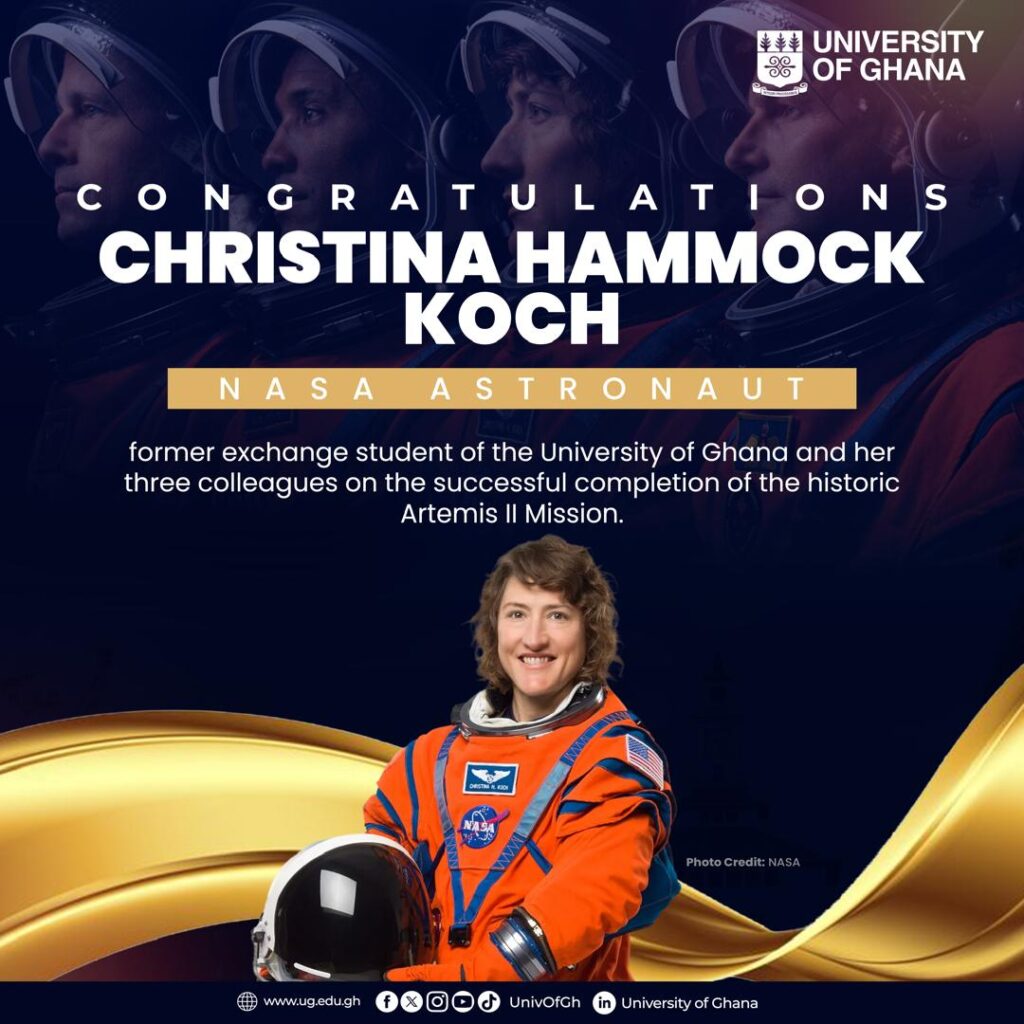
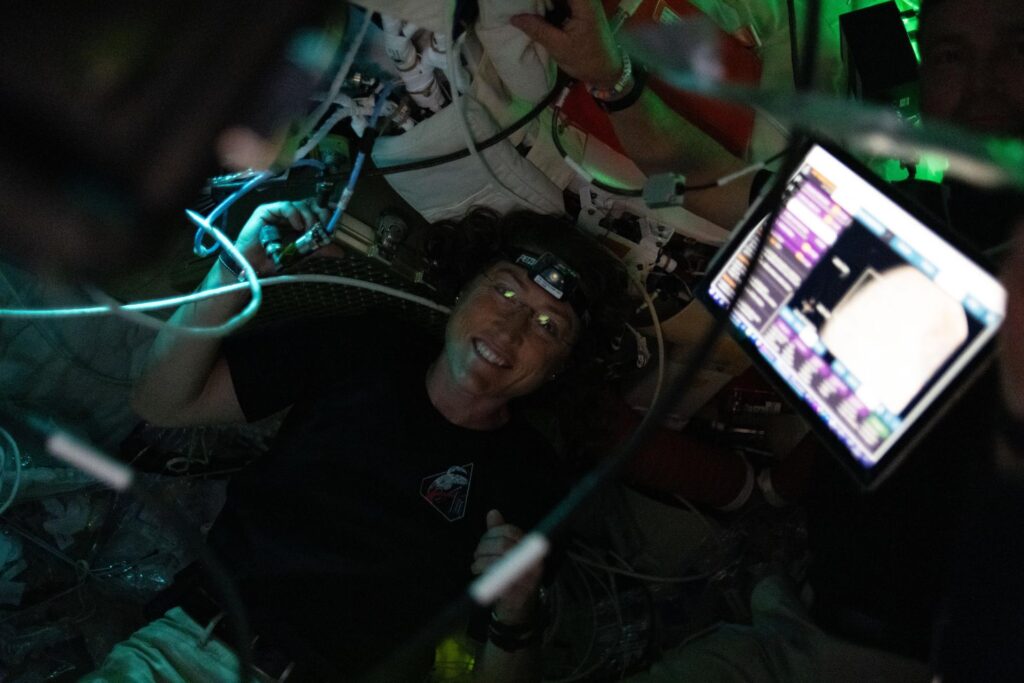
In Ghana, for instance, the University of Ghana quickly shared a post about Christina Koch, one of the Artemis II astronauts, who was a foreign exchange student at the university during the 1999–2000 academic year. Christina Hammock Koch came to Ghana while studying electrical engineering and physics at North Carolina State University. As soon as Ghanaians discovered this connection, social media went into a frenzy. People resurfaced old interviews in which she spoke about how her time in Ghana shaped the person she became. They also discovered that she had taken a Ghanaian flag into space. This gave Ghanaians a strong sense of joy and pride. To crown it all, the President of Ghana also shared a congratulatory message on social media. The mission brought profound joy to many Ghanaians.
Another thing Artemis II did for Ghanaians was to bring space exploration into the public consciousness. I believe it stirred curiosity about what space exploration is all about. When NASA was exploring the Moon in the 1960s and 1970s, Africa was largely focused on finding its feet after gaining independence. Science and technology on the continent have only gained significant momentum in the last two decades. I believe this mission will inspire a new generation to explore careers in space science, engineering, and space travel.
South Africa also played an important support role in NASA’s Artemis II mission, even though no South African astronauts were onboard. Their contribution came primarily through the South African National Space Agency (SANSA). From SANSA’s Hartebeesthoek Ground Station near Pretoria, engineers tracked the Orion spacecraft during parts of its journey around the Moon. They monitored its position, speed, and trajectory and relayed information to NASA in real time.
SANSA also provided telemetry support by receiving signals and data from Orion’s onboard systems and helping maintain communication links during critical phases of the mission. This information enabled NASA to continuously monitor the spacecraft’s health and performance.
As Africans, I believe we have an important role to play in the future of the Artemis programme, whether through scientific research, technological innovation, international collaboration, or by supporting missions in meaningful ways. By embracing opportunities like these, we can inspire a new generation of young Africans to dream bigger, pursue careers in science and technology, and help shape humanity’s future beyond Earth.
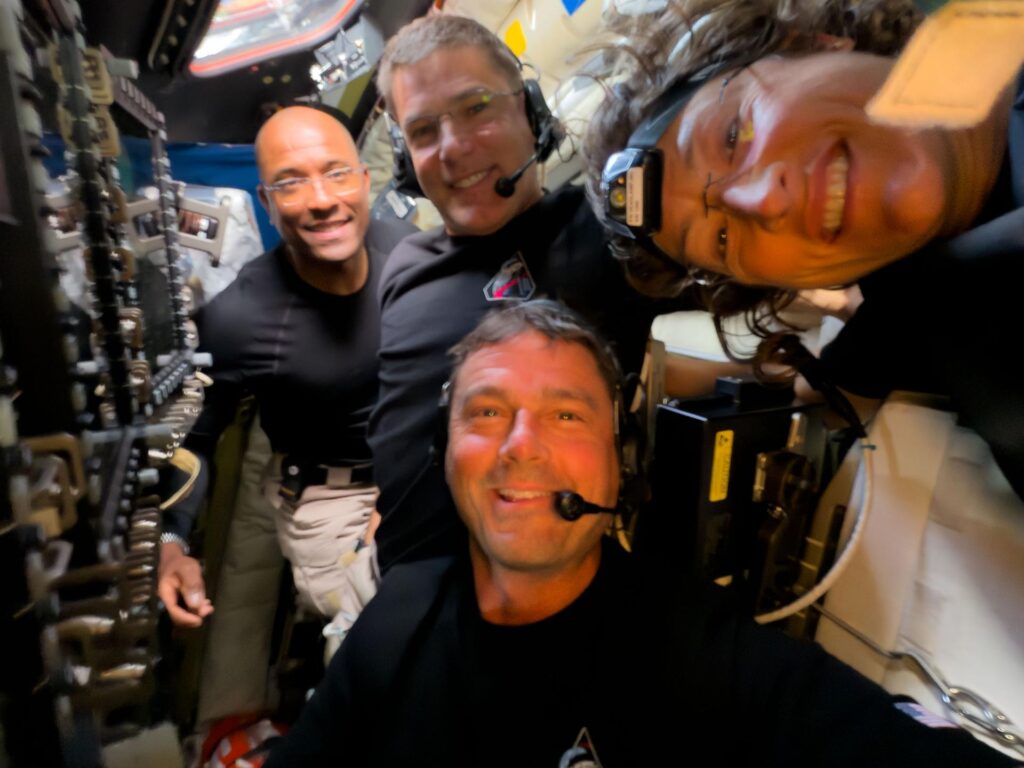
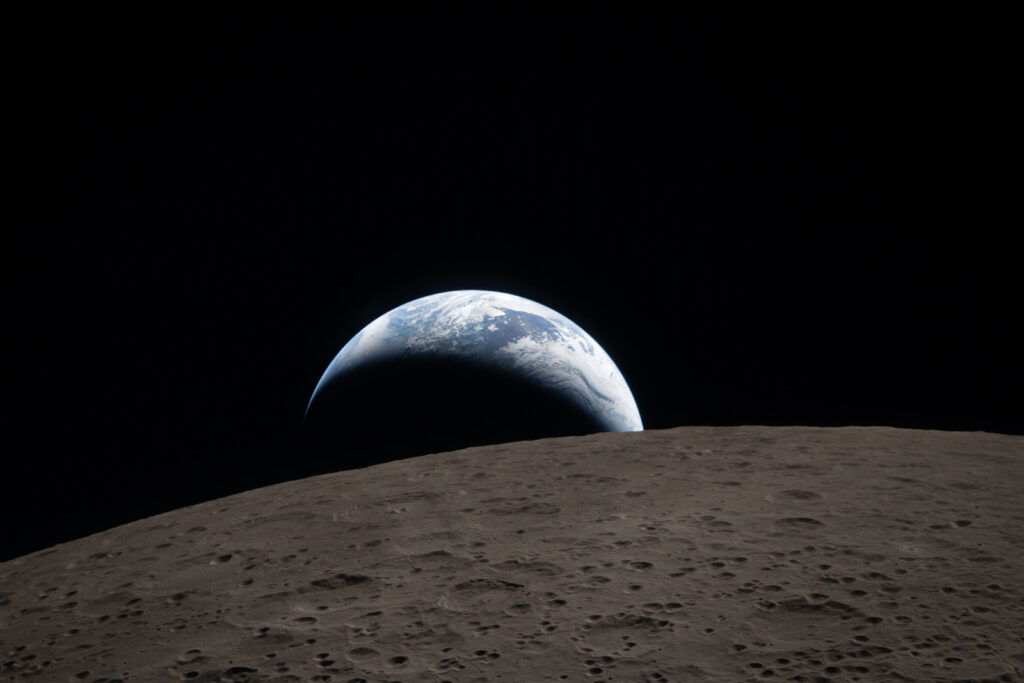
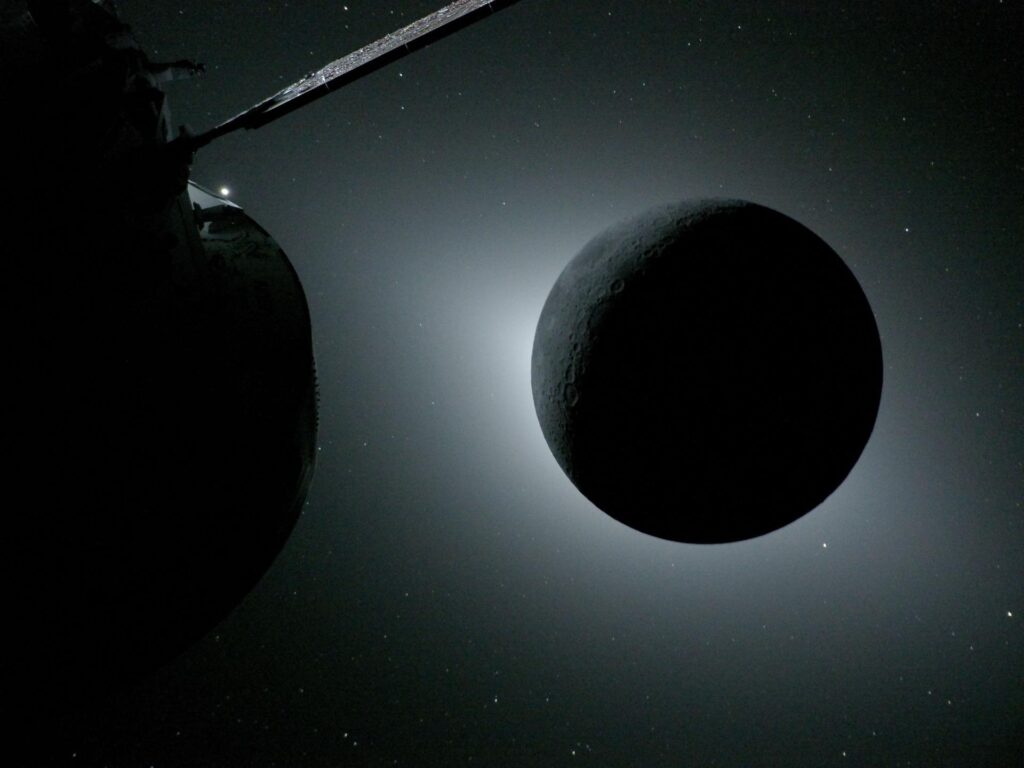
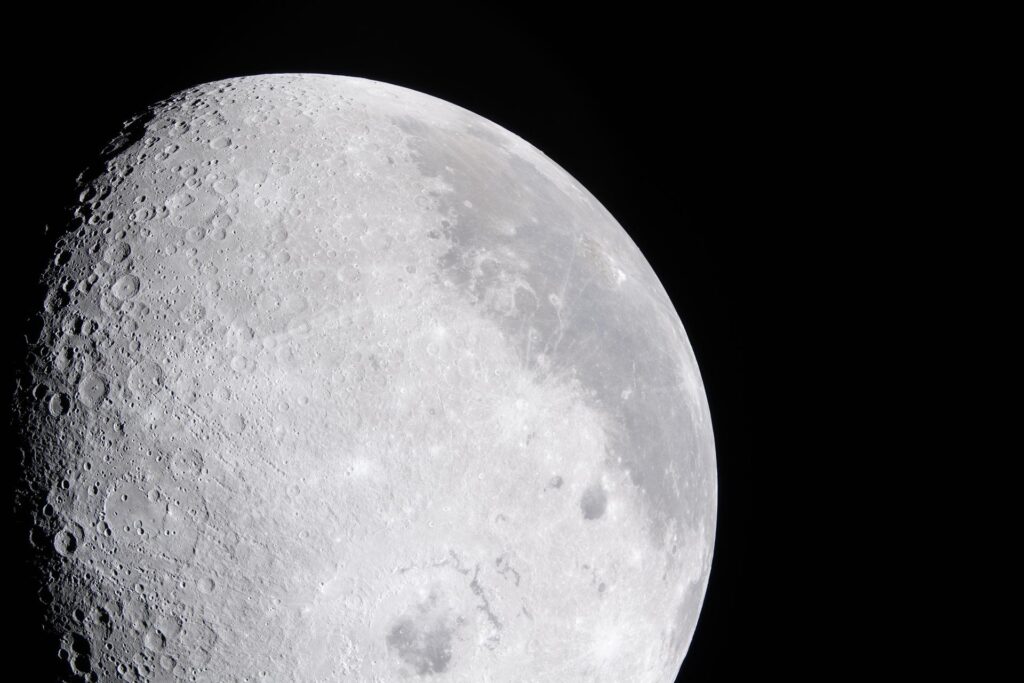
The gallery below features official NASA photographs of the Moon and the Artemis II crew, offering a glimpse into this exciting new era of space exploration. I hope these images inspire you as much as they have inspired me and remind us all that the future of space exploration is a future Africa should help build.
By Raindolf Owusu
Founder of Black Orbit Foundation